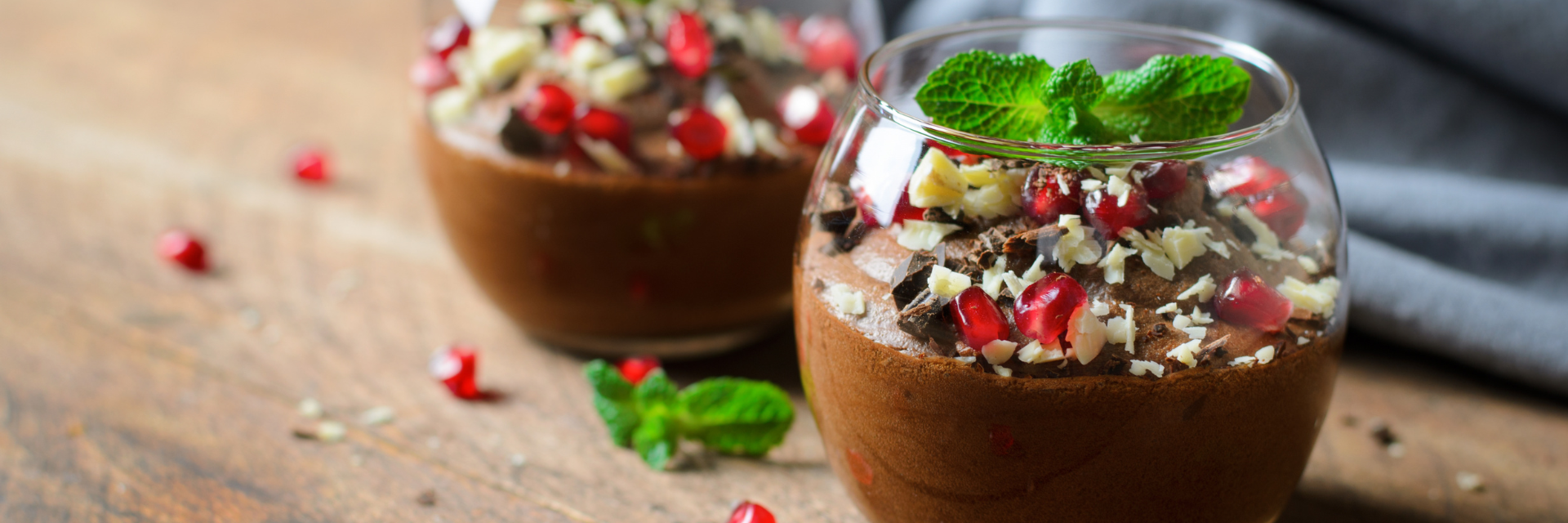
Egg Allergy Solution: Silky Dairy-Free Aquafaba Mousse
For families navigating the complexities of food allergies, the simple pleasure of a rich, decadent dessert can often feel out of reach. Egg allergies, in particular, often mean saying goodbye to beloved mousses, meringues, and soufflés that rely on egg whites for their signature airy texture. But what if a humble pantry staple held the key to unlocking these culinary delights once more? Enter aquafaba mousse – a revolutionary, dairy-free, and egg-free dessert that’s not just an alternative, but a triumph in its own right.
Imagine a dessert so light it feels like a cloud, yet so intensely flavorful it satisfies the deepest chocolate craving. This isn't a fantasy for those with dietary restrictions; it's the reality offered by the magical liquid from a can of chickpeas, commonly known as aquafaba. From the bustling kitchen of home cooks like Elsie Marlow, driven by her daughter Molly’s egg allergy, has emerged a reliable path to a glossy, cloudlike mousse. This article will guide you through mastering this impressive, pantry-friendly dessert, promising clear troubleshooting and the sensory confidence you need to create an impeccable vegan dessert every time.
Unlocking the Magic of Aquafaba: An Egg Allergy Game-Changer
Aquafaba, a term derived from the Latin words for water (aqua) and bean (faba), is simply the viscous liquid found in a can of chickpeas or left over from cooking dried chickpeas. What seems like an unassuming byproduct is actually a culinary powerhouse. Rich in proteins and starches leached from the beans, aquafaba mimics the functional properties of egg whites – specifically, their ability to emulsify, bind, thicken, and, most importantly for mousse, foam. This makes it an ideal egg allergy solution, transforming ordinary desserts into extraordinary plant-based creations.
For those with egg allergies, the discovery of aquafaba is nothing short of miraculous. It offers a direct, reliable substitute for egg whites in recipes requiring aeration, without the need for specialized ingredients or complex preparations. Beyond its role as an allergen-friendly alternative, aquafaba also champions zero-waste cooking, elevating a liquid often discarded into the star of an indulgent dessert. It's truly a testament to culinary innovation, proving that delicious, cloud-like aquafaba mousse techniques can be both accessible and profoundly satisfying.
The Science of Silky: Mastering Aquafaba Mousse Technique
Creating a perfect aquafaba mousse hinges less on exotic ingredients and more on precise technique and keen sensory awareness. The process is deceptively simple: whip aquafaba until it reaches glossy, stable peaks, then gently fold in perfectly tempered chocolate. Yet, the difference between a triumphant, airy dessert and a weepy, deflated one often comes down to a few critical steps.
Whipping Aquafaba to Perfection
The foundation of any great aquafaba mousse is the foam itself. Start with clear, relatively viscous liquid from a can of chickpeas; avoid the thick, starchy sludge sometimes found with home-cooked beans. If you're using homemade aquafaba, chill it first, allowing any fat to rise so you can skim off potential foam inhibitors. The ideal temperature for whipping aquafaba is often room temperature, as it can achieve greater volume. Crucially, use a meticulously clean, dry metal bowl and whisk attachment. Any trace of grease can prevent the aquafaba from whipping properly.
- Initial Whip: Begin whipping the aquafaba on medium-high speed. It will first become frothy, then slowly start to thicken and form soft peaks.
- Sugar Integration: Once soft peaks begin to form, gradually add granulated sugar, a tablespoon at a time, while continuing to whip. Granulated sugar is highly reliable here as it dissolves quickly and helps stabilize the foam. You'll notice the mixture becoming progressively whiter, thicker, and shinier.
- Stable Peaks: Continue whipping until the aquafaba forms stiff, glossy peaks. When you lift the whisk, the peaks should stand firm and hold their shape, perhaps drooping just slightly at the very tip. Visually, the foam should appear shiny, pale, and smooth, not grainy. Tactilely, it should feel tacky to the touch but not sticky. This stage is crucial for the mousse's structural integrity.
Tempering Your Chocolate for Seamless Integration
The second pillar of a successful aquafaba mousse is the chocolate. A good quality dark chocolate, preferably dairy-free, that melts smoothly will provide deep flavor and contribute to the mousse's structure. For tempering, the goal is chocolate that is pourable and just warm, not hot. Hot chocolate will melt the delicate aquafaba foam, causing it to deflate, while overly cool or seized chocolate will create lumps and separate from the foam.
Melt your dark chocolate gently, either using a double boiler or in short bursts in the microwave, stirring frequently until smooth. Allow it to cool slightly, stirring occasionally, until it reaches a lukewarm temperature (around 85-90°F / 29-32°C). It should still be fluid but not radiate heat. Incorporating a small amount of the whipped aquafaba into the melted chocolate first – a technique known as tempering – helps to lighten the chocolate, making it easier to fold into the remaining foam without shock or deflation.
The Art of Gentle Folding
With perfectly whipped aquafaba and tempered chocolate ready, the final step is the most delicate: folding. This is where you gently combine the two components, preserving as much of the aquafaba's volume as possible. Using a rubber spatula, add the cooled chocolate to the whipped aquafaba in two or three additions. Gently fold by lifting from the bottom of the bowl and turning the mixture over the top. Rotate the bowl and repeat this motion until just combined. Over-mixing is the enemy here; it will deflate the foam, resulting in a dense rather than an airy mousse.
Watch for sensory cues: a ribbon of mousse that settles slowly into a uniform surface, indicating the right balance of air and density. The finished mixture should be light but still spoon-coating, promising that silky mouthfeel you desire. Once folded, spoon the mousse into individual serving dishes and chill in the refrigerator. It sets beautifully overnight and maintains its cloudlike texture for several days when kept chilled.
Beyond Chocolate: Customizing Your Dairy-Free Delight
While classic dark chocolate aquafaba mousse is undeniably exquisite, the versatility of this base allows for endless customization. This is an indulgent dessert that can be easily tailored to any palate or occasion.
- Flavor Variations: Infuse your mousse with different extracts like peppermint, almond, or orange zest. A spoonful of instant espresso powder can deepen the chocolate flavor, or you could swirl in a fruit purée (like raspberry or passionfruit) for a tangy counterpoint.
- Sweetener Alternatives: While granulated sugar is reliable for stability, you can experiment with powdered sugar for a smoother texture or liquid sweeteners like agave or maple syrup, though expect subtle shifts in the final consistency.
- Toppings & Garnishes: Elevate your silky aquafaba mousse with a dollop of dairy-free whipped cream, fresh berries (raspberries and strawberries are particularly lovely), chocolate shavings, a dusting of cocoa powder, or toasted nuts. These additions not only enhance flavor but also add visual appeal, making it an impressive dessert to serve your guests.
Remember, this accessible dessert also aligns with a zero-waste philosophy. After using the aquafaba, the chickpeas themselves can be transformed into delicious hummus, curries, or roasted snacks, ensuring no part of this humble legume goes to waste. It’s a win-win for both your taste buds and the planet.
Troubleshooting Common Aquafaba Mousse Hurdles
Even with the best intentions, culinary adventures can sometimes hit a snag. The journey to a perfect aquafaba mousse may present a few common challenges, but understanding them can quickly turn a potential "weepy dessert" into a "triumphant one."
- Mousse Didn't Set or is Weepy: This is often due to the aquafaba not being whipped to stiff enough peaks. Ensure your aquafaba is thick, glossy, and holds its shape before folding. Another culprit could be the chocolate being too hot, causing the foam to melt and deflate. Always allow the chocolate to cool to just warm.
- Mousse is Dense or Lacks Air: Over-mixing during the folding stage is the most common reason for a dense mousse. Remember to be gentle, lifting and turning rather than stirring vigorously. The goal is to incorporate the chocolate with minimal loss of air.
- Grainy or Separated Texture: If your aquafaba mousse looks grainy, it might be due to over-whipping the aquafaba itself, or the chocolate seizing if it was too cold when added. Ensure your mixing bowl is completely clean and free of grease, as even a tiny amount can inhibit foaming.
With practice, you’ll learn to read these signs, just like knowing when bread dough is ready. Pay attention to the sensory cues – the feel of the foam, the sheen, and the way the mixture folds – and you'll build the confidence to create a consistently perfect dairy-free mousse.
Conclusion
From a simple can of chickpeas emerges a world of culinary possibility, particularly for those seeking an elegant egg allergy solution. The journey to mastering a silky, dairy-free aquafaba mousse is an empowering one, proving that dietary restrictions need not limit the joy of indulgent desserts. It’s a testament to innovation, transforming humble ingredients into an impressive, cloudlike treat that will delight everyone at your table. So grab that can of chickpeas, unlock its hidden potential, and prepare to be amazed by the rich, airy delight that awaits. Your next show-stopping, plant-based dessert is just a whisk away!
