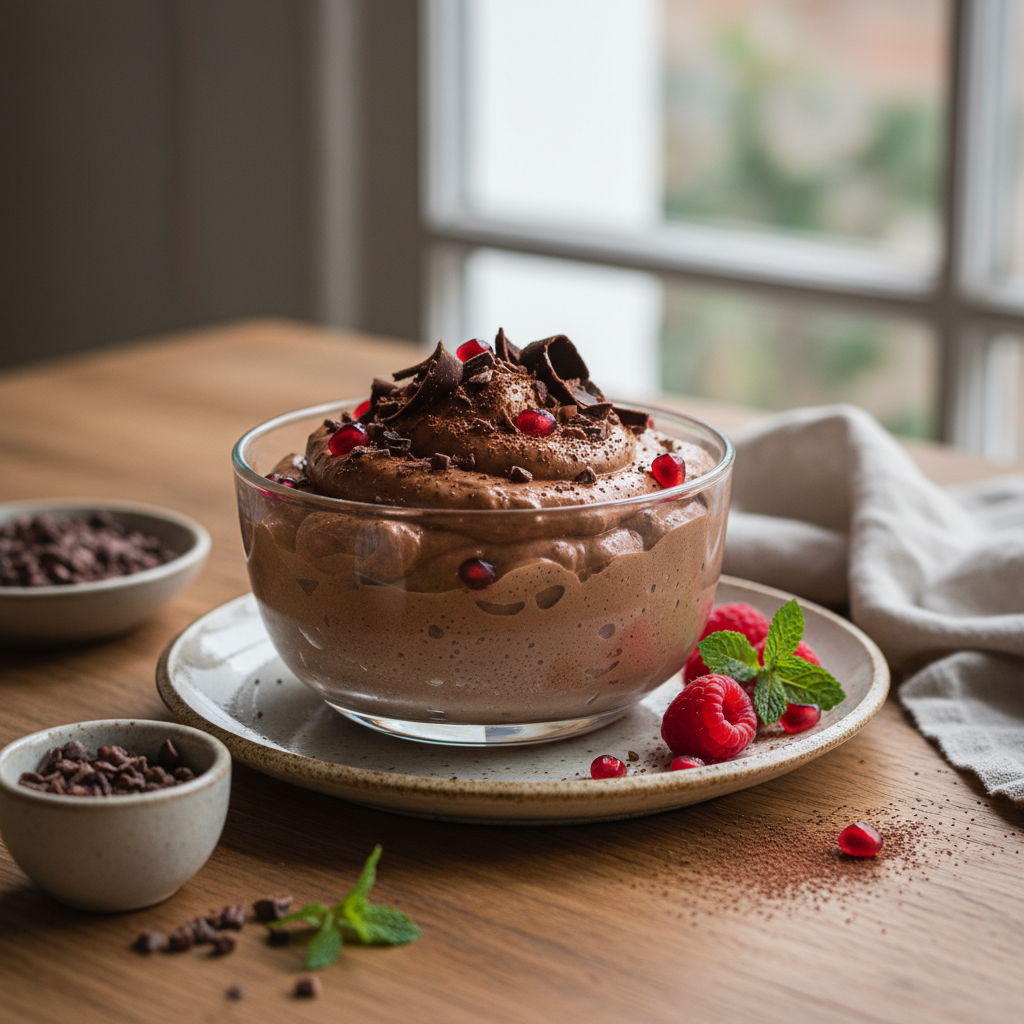
Master Perfect Aquafaba Mousse: Glossy Vegan Dessert Tips
Imagine a dessert so light it feels like a cloud, so rich it satisfies your deepest chocolate cravings, and so glossy it gleams under the light. Now imagine that this decadent treat is entirely vegan, dairy-free, and surprisingly simple to create from pantry staples. This isn't a culinary dream; it's the reality of a perfectly crafted **aquafaba mousse**. For many, like Elsie Marlow, a dedicated home cook from the picturesque Peak District, mastering this dessert became a journey born out of necessity. Driven by her daughter Molly's egg allergy, Elsie discovered the magic of transforming humble chickpea water into a silky, stable foam, yielding an indulgent dessert that guests now routinely request. This comprehensive guide promises to equip you with the knowledge, techniques, and sensory insights to achieve your own reliably glossy, cloudlike aquafaba mousse. We’ll delve into troubleshooting, reveal the subtle cues that signal success, and build your confidence to create an airy, deeply chocolate dessert using ingredients you likely already have. From the chemistry of foam structure to the art of gentle folding, you're about to unlock the secrets to a triumphant vegan dessert.The Magic of Aquafaba: Your Vegan Secret Weapon
At the heart of this remarkable dessert lies aquafaba, a term derived from Latin meaning "bean water." It's simply the viscous liquid found in a can of chickpeas, or the cooking liquid reserved from dried chickpeas. This unassuming liquid is a game-changer for plant-based baking and cooking, acting as an incredible egg white substitute. Its unique composition, rich in starches and proteins that mimic those found in egg whites, allows it to be whipped into stiff, stable peaks, forming the airy base for meringues, macarons, and, of course, our exquisite **aquafaba mousse**. For those navigating dietary restrictions, particularly egg allergies – a situation profoundly understood by Elsie Marlow and her daughter Molly – aquafaba is nothing short of a culinary revolution. It offers an accessible, zero-waste solution that unlocks a world of previously off-limits desserts. When selecting your aquafaba, aim for the clear, relatively viscous liquid from canned chickpeas. Steer clear of any thick, starchy sludge, which can inhibit proper whipping. If you're cooking chickpeas from dry beans, ensure you reserve the cooking liquid, chill it thoroughly, and skim off any residual fat or foam inhibitors that rise to the surface. This attention to detail in your primary ingredient lays the foundation for unparalleled lightness and stability.Essential Tools and Ingredients for Success
While the allure of aquafaba mousse lies in its apparent simplicity, the difference between a weeping disappointment and a triumphantly airy dessert often hinges on technique and the right foundational elements.Key Ingredients:
- Quality Aquafaba: As discussed, choose clear, viscous chickpea liquid for optimal results. Its consistency is crucial for forming stable foam.
- Dark Chocolate: Opt for a good quality dark chocolate (around 70% cacao) that melts smoothly. Dark chocolate provides depth of flavor without relying on dairy and offers better structural integrity for the mousse. While you can experiment with slightly sweeter bars for less intensity, be mindful that higher sugar content can subtly affect foam stability. Ensure your chocolate is at room temperature before melting.
- Granulated Sugar: Granulated sugar is a reliable choice for sweetening because it dissolves quickly and acts as a stabilizer for the aquafaba foam, helping it hold its shape. While powdered sugar or liquid sweeteners can be used, anticipate minor shifts in the final texture.
Indispensable Tools:
- A Clean Metal or Glass Bowl: This is paramount. Any grease or fat residue, even a minuscule amount, will inhibit the aquafaba from whipping properly, preventing it from reaching those crucial stable peaks. Metal or glass bowls are preferred as plastic can sometimes retain fatty residues.
- Electric Mixer (Stand or Handheld): While a whisk is theoretically possible, an electric mixer is highly recommended for consistent, strong whipping that achieves the desired volume and stiffness.
- Spatula: A flexible spatula is essential for gently folding the tempered chocolate into the whipped aquafaba, preserving the precious air you've incorporated.
Mastering the Mousse: Step-by-Step Technique & Sensory Cues
The journey from chickpea liquid to a glorious aquafaba mousse is an art, but one that rewards attention to detail and a keen awareness of sensory cues. Elsie Marlow learned through repeated attempts that consistent results stem from respecting foam structure and paying attention to subtle signs.1. Whipping the Aquafaba to Perfection:
This is the foundational step. Pour your aquafaba into your meticulously clean metal or glass bowl. Begin whipping on a medium-low speed for a minute or two, then gradually increase to high. As it whips, you'll witness a magical transformation from a clear liquid to a frothy, then foamy, and finally, a cloud-like white mass.Sensory Cues:
- Visual: Look for the aquafaba to become opaque, pale, and glossy. The peaks should be distinct, holding their shape without drooping significantly. Avoid grainy or brittle-looking peaks, which can indicate over-whipping.
- Touch: When you rub a small amount between your fingers, it should feel tacky but not sticky. This tackiness indicates the formation of a stable protein structure.
- Stiffness: Aim for firm, glossy peaks that hold their shape when the whisk is lifted, with the very tip perhaps drooping slightly. This "soft peak that droops slightly and then holds" is the sweet spot.
2. Tempering and Preparing the Chocolate:
While the aquafaba whips, gently melt your room-temperature dark chocolate. A double boiler or short bursts in the microwave, stirring frequently, works well. The goal is for the chocolate to be pourable and just warm to the touch, not hot.Sensory Cues:
- Temperature: Test a small dab on your lip; it should feel just warm, not uncomfortably hot. Hot chocolate will deflate your delicate aquafaba foam.
- Consistency: The melted chocolate should be silky smooth, without any lumps.
3. The Art of Folding:
Method:
- Pour a small amount of the warm, melted chocolate into the whipped aquafaba. Gently fold it in using a spatula, lifting from the bottom of the bowl and turning it over.
- Gradually add the remaining chocolate in two or three more additions, folding after each, until just combined. Over-mixing is the enemy of airy texture, so stop as soon as no streaks of white remain.
Sensory Cues:
- Visual: The mousse should have a uniform color and appear light, airy, and fluffy. A "ribbon of mousse that settles slowly into a uniform surface" indicates the perfect consistency before chilling.
- Texture: The finished mixture should feel light and cloudlike, maintaining its volume.
Beyond the Basics: Elevating Your Aquafaba Mousse
Achieving a perfectly glossy and airy **aquafaba mousse** is a triumph in itself, but there are countless ways to enhance and customize this incredible vegan dessert.Flavor Variations:
- Coffee Infusion: Add a teaspoon of espresso powder or strong cold coffee to your melted chocolate for a rich mocha flavor.
- Citrus Zest: A finely grated orange or tangerine zest folded in with the chocolate brightens the mousse beautifully.
- Minty Fresh: A few drops of peppermint extract can transform your chocolate mousse into a refreshing after-dinner treat.
- Spiced Mousse: A pinch of cinnamon or a tiny dash of cayenne pepper can add warmth and a subtle kick.
- Salted Caramel: A swirl of homemade or store-bought vegan caramel sauce, perhaps with a sprinkle of flaky sea salt, can add a delightful contrast.
Serving Suggestions:
- Fresh Berries: Raspberries, strawberries, or blueberries provide a lovely tart contrast to the rich chocolate.
- Dairy-Free Whipped Cream: A dollop of coconut whipped cream or store-bought vegan whip adds another layer of indulgence.
- Chocolate Shavings or Cocoa Dust: A simple garnish of chocolate curls or a dusting of high-quality cocoa powder elevates the presentation.
- Toasted Nuts: Chopped toasted almonds, pecans, or hazelnuts can add a delightful crunch.
Make-Ahead and Storage Tips:
One of the greatest advantages of aquafaba mousse, especially for entertaining, is its excellent make-ahead potential.- Chilling: After folding, spoon the mousse into individual serving dishes or a larger bowl, then chill it in the refrigerator for at least 4 hours, or ideally, overnight. This allows the mousse to fully set and develop its stable, spoon-coating texture.
- Longevity: When properly chilled, aquafaba mousse holds its texture beautifully for several days, making it an ideal prepare-ahead dessert for dinner parties or weekly treats. Keep it covered in the refrigerator to prevent it from absorbing other odors.
